
Key takeaways
- Review a year of utility bills and ask your utility company about a free or low-cost energy audit to find your biggest costs.
- A programmable or smart thermostat, ceiling fans, sealed drafts, and regular filter changes can lower heating and cooling bills.
- Set your water heater to 120°F, install low-flow showerheads, and encourage shorter showers to cut hot water costs.
- Wash most laundry in cold water, run full loads in the washer and dishwasher, and air-dry when you can.
- Switch to LED bulbs and use smart power strips to stop electronics from using power while they’re off.
- Find and fix toilet and faucet leaks, and water lawns early in the morning only when needed.
- Get the whole family involved with simple jobs and shared savings goals, and ask your utility about rebates, special rates, and budget billing.
When you have a big family, everything multiplies. More people means more showers, more loads of laundry, more dishes, more devices to charge, and more lights left on in empty rooms. It’s no surprise that utility bills for large households can climb to several hundred dollars a month, especially during hot summers and cold winters.
The good news is that small changes add up fast in a big household. Saving a few dollars on each person’s daily habits can lead to hundreds of dollars in savings over a year. Many of the best money-saving steps are free or cost very little, and some home upgrades pay for themselves within a year or two.
In this guide, you’ll find practical ways to lower your electric, gas, and water bills without sacrificing comfort. From smarter laundry habits to simple home fixes and getting the kids on board, these tips are built for busy, full houses.
1. Start by Knowing Where Your Money Goes
You can’t cut costs you don’t understand. Gather your last 12 months of electric, gas, and water bills and look for patterns. Which months cost the most? Is your usage going up even when the weather is similar? Many utility companies have online dashboards or apps that show daily or even hourly usage, which can help you spot what’s driving your costs.
Next, ask your utility company about a home energy audit. Many offer them for free or at a low cost. An auditor checks your home for air leaks, poor insulation, and old appliances, then gives you a list of upgrades ranked by how much they’ll save. You can also do a simple DIY audit by checking for drafts around doors and windows on a windy day.
For most homes, heating, cooling, and water heating are the biggest energy costs. That’s why those areas usually offer the largest savings, so it makes sense to start there.
- Review 12 months of bills to spot high-cost months and trends.
- Ask your utility about a free or low-cost energy audit.
- Focus first on heating, cooling, and water heating.
2. Cut Heating and Cooling Costs
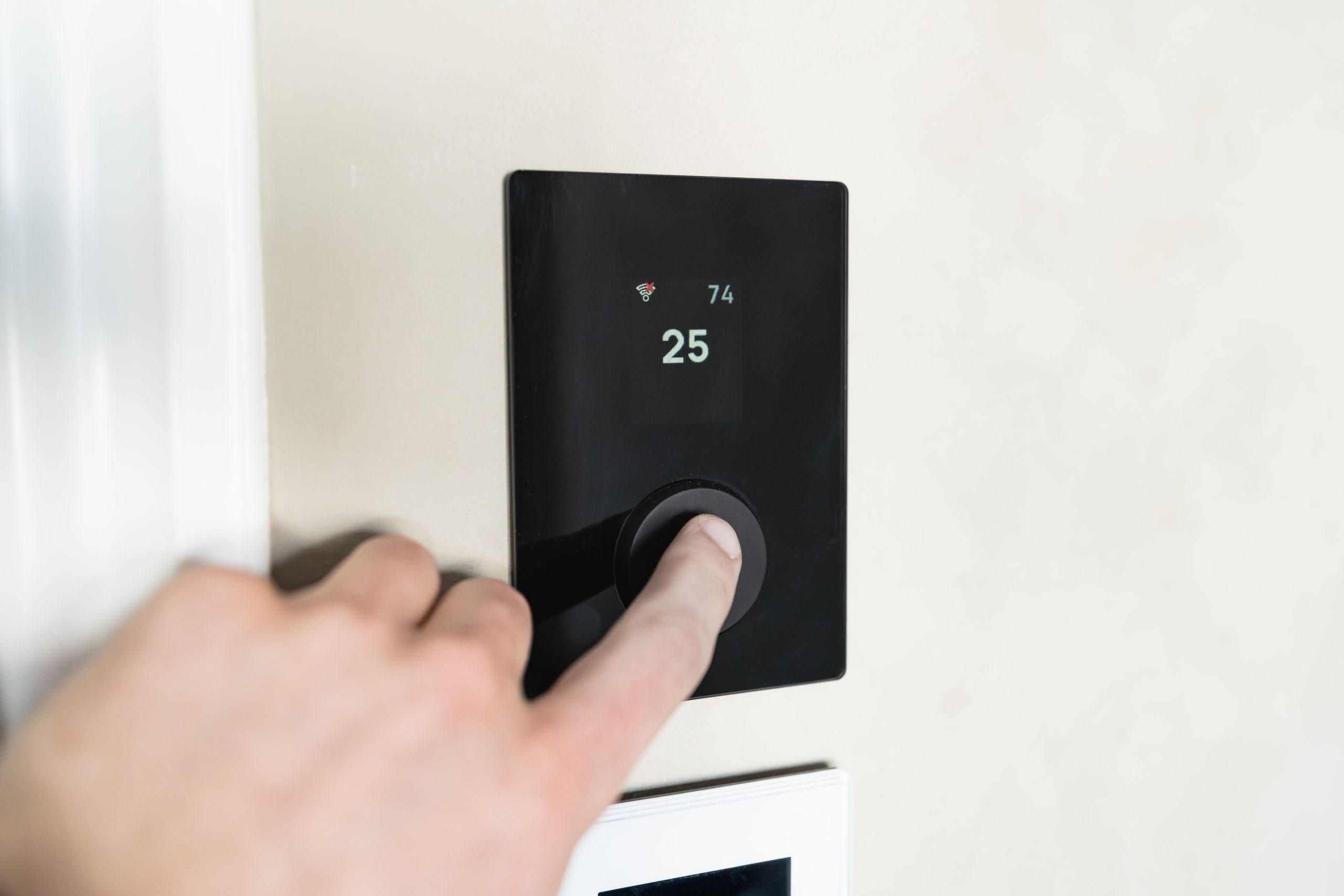
Your thermostat is one of your best money-saving tools. The U.S. Department of Energy says you can save up to about 10 percent a year on heating and cooling by turning your thermostat back 7 to 10 degrees for 8 hours a day, such as while everyone is asleep or at school and work. A programmable or smart thermostat does this automatically, so no one has to remember.
In winter, try 68°F while you’re awake and cooler at night. In summer, 78°F while you’re home is a good target. Ceiling fans help a lot. They let you raise the AC setting by about 4 degrees without feeling warmer. Just remember to turn them off when you leave the room, since fans cool people, not rooms.
Seal air leaks with weatherstripping and caulk around doors and windows, which costs very little and can make rooms feel less drafty. Change your HVAC filter every one to three months, and more often with pets. Use curtains to block hot afternoon sun in summer and open them to let in warm sunlight in winter.
- Use a programmable or smart thermostat to adjust temperatures automatically.
- Run ceiling fans to feel cooler with a higher AC setting.
- Seal drafts and change HVAC filters regularly.
3. Lower Your Water Heating Bill
In a large family, the water heater works nearly nonstop. Showers, baths, laundry, and dishes all need hot water. Many water heaters come set at 140°F from the factory, but 120°F is hot enough for most households and lowers the risk of scalding young children. Turning it down is free and takes just a few minutes.
Showers are the biggest hot water users in most homes. Install WaterSense-labeled low-flow showerheads, which use no more than 2.0 gallons per minute compared with 2.5 gallons for many standard heads. They cost about $15 to $40 each and still give a strong spray. Encourage shorter showers too. A simple shower timer or a five-minute song can make it a fun challenge for kids.
If your water heater is more than 10 years old, start planning for a replacement. A heat pump water heater costs more upfront but can use much less energy than a standard electric model. Draining a few gallons from the tank once a year to remove sediment also helps it run better.
- Set your water heater to 120°F.
- Install low-flow showerheads and encourage shorter showers.
- Flush the tank yearly and consider a heat pump model when replacing.
4. Make Laundry Day Cheaper
Big families can easily run 10 to 15 loads of laundry a week, so small changes here really pay off. The biggest one is washing in cold water. Most of the energy a washing machine uses goes to heating the water. Today’s detergents work well in cold water, and it’s gentler on clothes, too. Save warm or hot water for heavily soiled items or sheets and towels when someone is sick.
Always run full loads, and use the right load size setting if you need to wash less. Choose the high-speed spin option, which removes more water so clothes dry faster. If you’re replacing a washer, an ENERGY STAR model uses less water and energy than older machines.
Dryers use a lot of electricity. Clean the lint filter after every load and check the vent hose once a year, which also lowers fire risk. Dry loads back to back to use leftover heat, and try wool dryer balls to speed drying. When the weather allows, a clothesline or drying rack is the cheapest dryer of all.
- Wash most loads in cold water.
- Run full loads and use a high-speed spin.
- Clean the lint filter often and air-dry when you can.
5. Save Energy in the Kitchen
Cooking for a crowd uses a lot of energy, but you can trim costs without changing what’s on the menu. Use the dishwasher instead of hand-washing whenever you can. A full load in a modern dishwasher usually uses less water than washing the same dishes by hand. Scrape plates instead of rinsing them, run only full loads, and choose the air-dry or no-heat dry setting.
Your refrigerator runs 24 hours a day, so keep it working efficiently. Set the fridge between 37°F and 40°F and the freezer at 0°F. Keep the door closed as much as possible, and clean the coils on the back or bottom once a year. If you have an old second fridge in the garage, consider unplugging it. Older models can add a surprising amount to your bill.
When cooking, match pot sizes to burners, use lids to boil water faster, and use smaller appliances like a slow cooker, air fryer, or electric pressure cooker for many meals. These often use less energy than heating a full-size oven. Batch cooking also saves energy and time.
- Run full dishwasher loads and skip the heated dry.
- Keep the fridge at 37°F to 40°F and the freezer at 0°F.
- Use small appliances and batch cooking to cut oven use.
6. Cut Costs on Lighting and Electronics
If you still have any old incandescent bulbs, swap them for LEDs. ENERGY STAR-rated LED bulbs use at least 75 percent less energy and last up to 25 times longer than incandescent bulbs. In a large home with lots of lights on in the evening, that adds up quickly. Motion-sensor switches or smart bulbs in hallways, closets, and kids’ rooms help when people forget to turn lights off.
Electronics are another hidden cost. TVs, game consoles, computers, chargers, and cable boxes often draw power even when they’re turned off. This is sometimes called phantom or standby power. Plug entertainment centers and computer setups into smart power strips that cut power to devices that aren’t in use.
Game consoles deserve special attention in big families. Check the settings and turn off “instant-on” or “rest” modes, which can use energy all day. Set up a central charging station so phones and tablets aren’t left plugged in all over the house overnight.
- Replace any remaining incandescent bulbs with LEDs.
- Use smart power strips to stop standby power use.
- Turn off instant-on modes and create a shared charging station.
7. Fix Leaks and Use Less Water
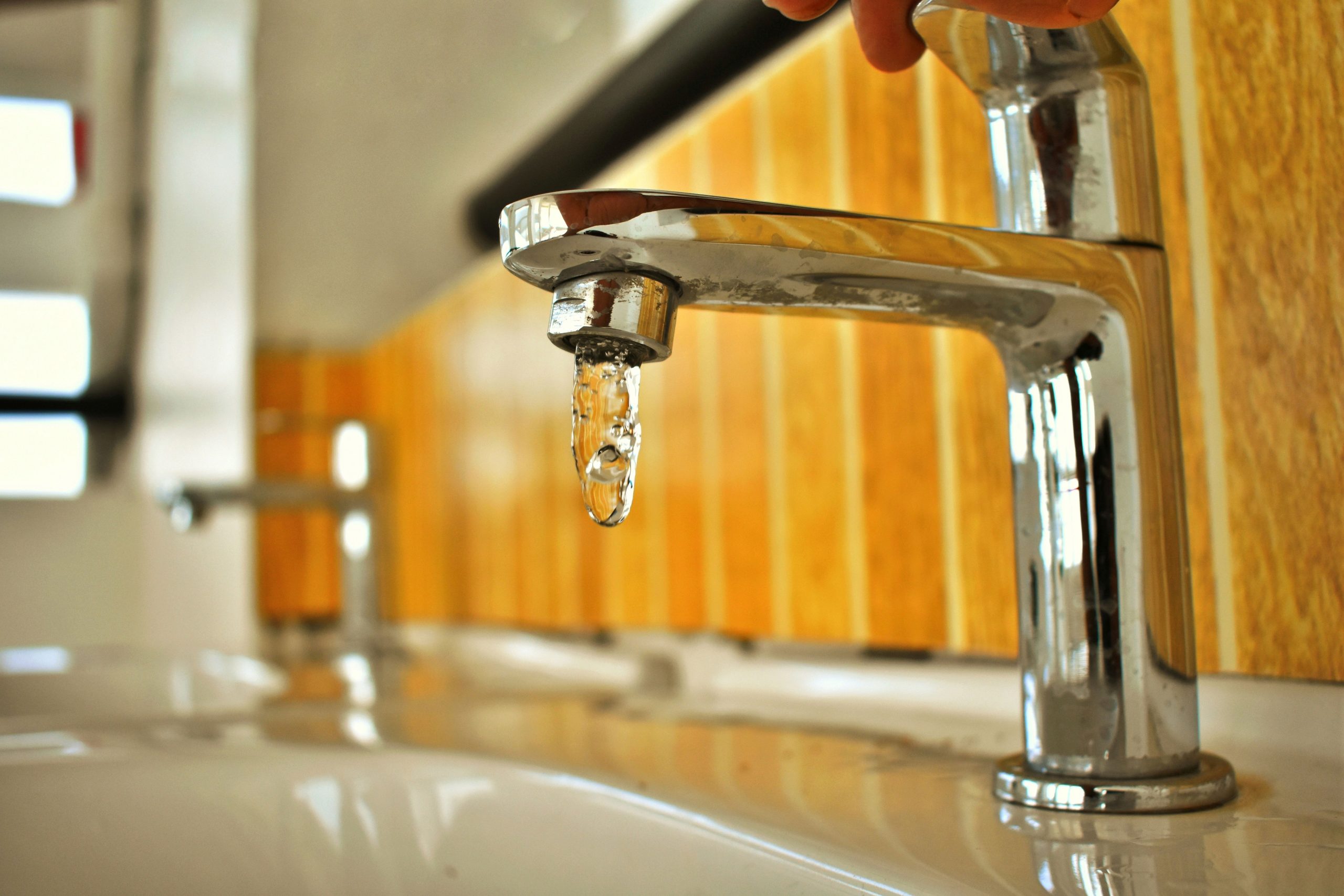
Leaks waste more water than most people realize. The EPA estimates that household leaks can waste nearly 10,000 gallons of water per home each year. A dripping faucet or a running toilet might not seem like much, but it runs all day, every day.
Check your toilets with a simple dye test. Put a few drops of food coloring in the tank and wait 15 minutes without flushing. If color shows up in the bowl, you have a leak, usually from a worn flapper that costs just a few dollars to replace. Fix dripping faucets by replacing washers or cartridges. You can also check your water meter before and after two hours when no water is being used. If the reading changes, there’s a leak somewhere.
Outdoors, water lawns early in the morning to reduce evaporation, and only when they need it. A rain sensor or smart sprinkler controller can skip watering after rain. Sweep driveways instead of hosing them down, and use a rain barrel to collect water for gardens where local rules allow it.
- Use the food coloring test to find toilet leaks.
- Check your water meter to spot hidden leaks.
- Water outdoors early in the morning and only when needed.
8. Get the Whole Family Involved
In a large household, saving money only works if everyone pitches in. One parent turning off lights won’t make much difference if five other people leave them on. The key is to make energy saving a family habit instead of a list of rules.
Start by explaining why it matters in a way kids understand. Show them the utility bill and talk about what the family could do with the money you save, like a day trip, a pizza night, or a new game. Some families set a monthly savings goal and put part of the difference toward a fun reward everyone can enjoy.
Give each child a simple job. One can be the “light checker” who makes sure lights are off in empty rooms. Another can check that doors and windows are closed when the heat or AC is running. Use shower timers, sticky-note reminders by light switches, and a weekly family check-in to celebrate progress. When kids feel like part of the team, the habits stick.
- Explain savings goals in a way kids can understand.
- Reward the family when you hit your monthly target.
- Give each child a simple energy-saving job.
9. Use Utility Programs and Put Your Savings to Work
Your utility company may offer programs that can lower your bills. Ask about time-of-use rates, which charge less for electricity during off-peak hours, often late evening and early morning. If you’re on one of these plans, run the dishwasher, washer, and dryer during cheaper hours. Many utilities also offer rebates on smart thermostats, efficient appliances, and insulation, so check their website before you buy.
Budget billing, also called level billing, spreads your yearly costs evenly across 12 months. It doesn’t lower your total cost, but it prevents big surprise bills in summer or winter. Families who are struggling to pay can also ask about assistance programs like LIHEAP, the federal Low Income Home Energy Assistance Program. In some states, you can shop for a different electricity or gas supplier, but read contracts carefully for hidden fees.
Once your bills go down, put the savings to good use. Many families move that money into a fund for other regular household costs. If you’ve been wondering how to budget for car maintenance, for example, setting aside your monthly utility savings for oil changes, tires, and repairs is an easy place to start.
- Ask about time-of-use rates, rebates, and budget billing.
- Look into assistance programs like LIHEAP if you need help.
- Move your monthly savings into a fund for other household costs.
Conclusion
Running a large household will always use more energy and water than a small one, but that doesn’t mean you’re stuck with sky-high bills. By understanding where your money goes, adjusting the thermostat, lowering your water heater temperature, washing in cold water, and fixing leaks, you can make a real dent in your monthly costs.
Many of the most effective steps are free, like changing habits and settings. Others, like LED bulbs, low-flow showerheads, and smart power strips, cost little and pay for themselves quickly. Utility programs and rebates can help you go even further.
Most importantly, make saving a team effort. When everyone in the family plays a part, small daily choices turn into big yearly savings. Start with two or three changes this week, track your next few bills, and watch the savings add up.