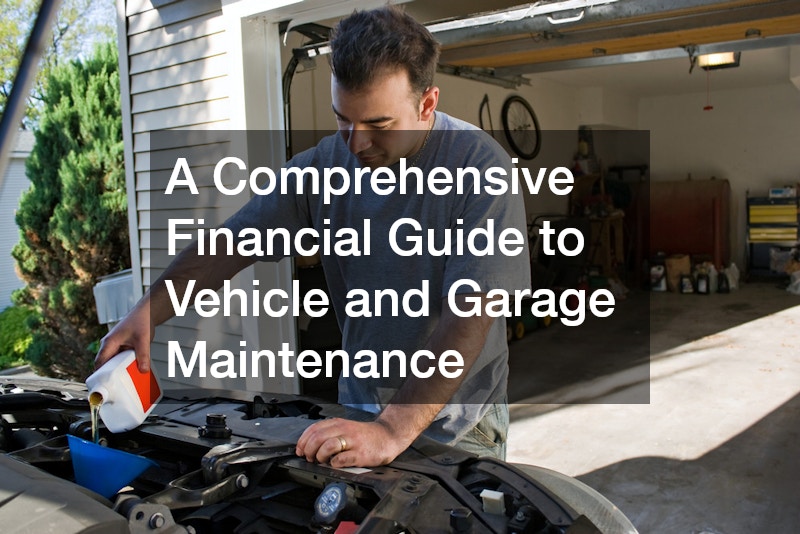
Vehicle and garage maintenance can become expensive when owners only react to problems after something breaks. A better financial plan treats the vehicle, garage, driveway, and cleaning routine as connected parts of one ownership cost. When each area is maintained on a realistic schedule, the whole system is easier to manage and less likely to create sudden, disruptive expenses.
A garage protects the vehicle, but it also requires its own care. Floors wear down, doors need attention, and exterior surfaces around the garage can affect access. The vehicle brings another layer of costs through repairs, cleaning, protection, and accident recovery. A clear budget helps owners decide what to handle now, what to schedule seasonally, and what to reserve for larger future needs.
Planning for local auto repairs is one of the simplest ways to reduce financial stress. Instead of treating every repair as an emergency, owners can set aside money for inspections, fluids, brakes, batteries, belts, and smaller issues that appear during normal driving. A steady repair fund makes it easier to act early instead of postponing work until the vehicle is harder or more expensive to fix.
The goal is not to overspend on every possible service. The goal is to understand where money is most likely to be needed and how maintenance choices affect future costs. A practical plan keeps the vehicle reliable, protects the garage from wear, and helps the property stay easier to use throughout the year.
Build A Realistic Maintenance Reserve
A maintenance reserve gives vehicle owners breathing room. It should include routine service, unexpected repairs, seasonal cleaning, garage maintenance, and surface upkeep around the property. Even a modest monthly amount can reduce pressure when several needs appear close together. The reserve works best when it is separated from normal household spending.
Owners of specific makes should account for model-related service needs. Subaru repair may involve regular maintenance, drivetrain concerns, fluid service, diagnostic checks, or repairs tied to how the vehicle is used. A budget that reflects the actual vehicle, rather than a generic estimate, will usually be more useful.
A good reserve should also include timing notes. Some costs happen annually, while others occur based on mileage, weather, age, or wear. Writing down expected dates and mileage targets turns the reserve into a planning tool. This helps owners avoid being surprised by predictable expenses.
In some cases, local collision repairs may include bodywork, paint matching, frame checks, trim replacement, or sensor-related work depending on the damage. Even with insurance, owners may need to plan for deductibles, rental needs, and time without the vehicle. Collision planning belongs in the same financial category because accident recovery can affect both the car and the budget.
Budget For Protection, Access, And Daily Use
Maintenance is not limited to what happens under the hood. Comfort, visibility, access, and appearance all influence the ownership experience. A well-planned budget should include the services that make the vehicle easier to use and the garage easier to operate. These costs may not happen every month, but they still deserve a place in the plan.
In that category, local auto tinting services may be considered when heat, glare, privacy, or interior protection are priorities. Tinting should be viewed as both an appearance choice and a practical comfort upgrade. Owners should also account for legal limits, product quality, installation workmanship, and whether the tint fits how the vehicle is driven.
Garage access affects daily convenience more than many people realize. An overhead garage door that sticks, shakes, reverses unexpectedly, or makes harsh noises can become a safety and scheduling problem. Budgeting for inspection, parts, opener adjustments, or replacement planning helps prevent a door issue from trapping a vehicle inside or leaving the garage unsecured.
Daily use should guide spending decisions. A household that drives often, parks outside frequently, or uses the garage as a workspace will have different maintenance needs than one with minimal driving. The budget should reflect real habits, not an idealized version of how the property is used.
Manage Cleaning As Preventive Care
Cleaning may seem cosmetic, but it can prevent longer-term deterioration. Dirt, salt, road film, brake dust, bird droppings, and chemical residue can affect paint, trim, wheels, and underbody areas. Regular cleaning also gives owners a chance to notice chips, leaks, cracks, and tire problems before they become more serious.
A truck wash can be especially valuable for larger vehicles that collect mud, salt, jobsite dust, or road grime. Cleaning removes buildup that may hide damage or accelerate corrosion. For owners who use a vehicle for work, a cleaner exterior also supports a more professional appearance when meeting customers or visiting jobsites.
Commercial or personal trucks often carry higher maintenance costs because they may haul loads, drive longer routes, or face tougher road conditions. Budgeting should account for tires, brakes, suspension wear, cleaning, inspections, and downtime. The more important a vehicle is to work or family responsibilities, the more important planned maintenance becomes.
Cleaning routines should be realistic. A schedule that is too ambitious will be ignored, while one that is too loose may allow grime to build up. Owners should decide how often the vehicle needs washing during winter, rainy seasons, construction-heavy routes, or high-pollen months. A practical schedule is easier to keep.
Protect The Garage Interior
The garage floor takes constant abuse from tires, tools, fluids, moisture, and temperature changes. If the surface is ignored, cracks, stains, dusting, and uneven wear can make the space look neglected and harder to clean. Protecting the floor can also make the garage feel more usable for storage, hobbies, and vehicle care.
A garage floor coating project may be a worthwhile investment when the surface is stained, hard to clean, or used heavily. The financial value comes from easier maintenance, better appearance, and added protection against common garage wear. Owners should consider surface preparation, product type, slip resistance, cure time, and how the space will be used after installation.
Interior organization also matters. Shelving, wall storage, clear walking paths, and defined zones for tools or supplies reduce clutter and make maintenance easier. When the garage is organized, owners are less likely to lose parts, damage items, or delay small tasks because the space feels frustrating.
The overhead garage door should also be included in an annual garage review. Springs, rollers, tracks, seals, sensors, panels, and openers all affect safety and reliability. A door that works smoothly protects the vehicle, preserves access, and helps prevent sudden repair costs from interrupting the household routine.
Plan For Driveway And Parking Area Costs
Driveways and parking areas affect both the property and the vehicle. Cracks, potholes, uneven edges, and drainage problems can make access difficult and may contribute to tire, alignment, or suspension wear. Surface issues also reduce curb appeal and can create trip hazards near the garage or walkway.
A paving service may be needed when the existing surface no longer supports safe, smooth, or attractive access. Planning ahead gives owners time to compare scope, materials, drainage needs, and scheduling instead of rushing after the surface has failed. Good paving decisions should support the way vehicles enter, turn, and park.
Drainage is a major part of surface planning. Water that sits near the garage, flows toward the foundation, or freezes across the driveway can create safety and maintenance concerns. Owners should observe the area after storms to see where water collects. These observations help guide better questions when speaking with contractors.
An asphalt repair service can help address cracks, potholes, low spots, and deteriorating sections before a full replacement becomes the only option. Timely repair may extend the useful life of the surface and protect the surrounding property. Budgeting for smaller surface work can be more manageable than waiting for widespread failure.
Keep Vehicle Repairs From Becoming Emergencies
The most expensive repair is often the one that was delayed too long. A small noise, warning light, vibration, leak, or smell can point to a developing problem. Owners who document symptoms and schedule evaluations early usually have more options than those who wait until the vehicle cannot be driven.
For that reason, local auto repairs should be approached as part of ongoing financial management. Routine inspections, tire rotations, brake checks, and fluid service can reveal issues before they become urgent. Repair records also help owners understand patterns, compare costs, and decide whether a vehicle still makes financial sense to keep.
Vehicle-specific planning can be even more useful. Subaru repair should be budgeted with attention to age, mileage, drivetrain needs, maintenance history, and driving conditions. A vehicle used in snow, steep terrain, or long commutes may need different attention than one used lightly around town. Matching the budget to the vehicle’s real workload improves decision-making.
A repair fund should also include transportation backup. Rideshare costs, rental vehicles, missed work, or delayed errands can add to the real cost of a breakdown. Setting aside money for temporary transportation helps owners respond calmly when repairs take longer than expected.
Handle Appearance And Accident Recovery Strategically
Appearance-related work should be planned with value and timing in mind. Some cosmetic issues can wait, while others may affect resale value, corrosion risk, or the performance of vehicle systems. Owners should distinguish between normal wear, protective upgrades, and damage that needs prompt attention.
After an accident, local collision repairs may need to be prioritized even when the vehicle still drives. Hidden damage, misaligned panels, damaged sensors, paint cracks, and structural concerns can affect safety and long-term condition. Financial planning should include deductibles, insurance communication, and the possibility that repairs may uncover additional needs.
Later, local auto tinting services may fit into an appearance and comfort budget after more urgent repairs are handled. A well-timed tint upgrade can improve the driving experience, help manage interior heat, and refresh the vehicle’s look. It should not replace mechanical maintenance, but it can be part of a broader ownership plan.
Owners should also document vehicle condition with photos. Photos can help with insurance claims, resale preparation, and tracking cosmetic changes over time. A simple record makes it easier to know when a scratch appeared, whether damage is spreading, or whether a repair improved the condition as expected.
Account For Larger Vehicles And Work Demands
Larger vehicles often cost more to maintain, clean, park, and repair. They may require more expensive tires, stronger brakes, larger service bays, and more careful surface planning at home. Owners should budget based on actual size and use rather than assuming every vehicle has similar upkeep needs.
For work use, trucks may face mud, heavy loads, jobsite debris, towing, and longer idle time. These conditions can increase wear on tires, brakes, fluids, suspension, and exterior surfaces. A realistic financial plan should include more frequent inspections and cleaning when the vehicle plays a major role in earning income.
Scheduling a truck wash regularly can also protect the image and condition of a work vehicle. A clean vehicle makes it easier to inspect for dents, rust, leaks, and damage after demanding use. It can also help separate normal grime from problems that deserve closer attention.
The financial plan should include downtime risk. If a larger vehicle is essential for work, being without it may cost more than the repair itself. Owners should consider backup transportation, rental access, and scheduling repairs during slower periods when possible. Maintenance is partly about keeping the vehicle available when it matters most.
Sequence Garage And Surface Projects Wisely
The order of garage and driveway projects affects cost and convenience. A floor coating, door repair, paving work, and vehicle maintenance may all compete for the same budget. Sequencing helps owners avoid damaging finished work or blocking access during a busy period.
A paving service should often be scheduled with access needs in mind. If the garage is used daily, owners should plan where vehicles will park while the surface cures or equipment is on-site. Good timing reduces disruption and protects both the new surface and the vehicles that rely on it.
A garage floor coating project should also be scheduled when the space can be cleared completely. Owners may need temporary storage, a dry period, and enough time for preparation and curing. Rushing the process can weaken the finished result and reduce the value of the investment.
If the driveway is already cracking or holding water, an asphalt repair service may belong ahead of cosmetic garage improvements. Poor exterior surfaces can track debris into the garage, create uneven access, or contribute to drainage problems near the opening. Handling exterior weaknesses first can protect work completed inside.
Review Costs Annually And Adjust The Plan
A vehicle and garage maintenance budget should not stay fixed forever. Costs change as vehicles age, driving habits shift, weather patterns affect surfaces, and the garage sees more use. An annual review helps owners decide whether the reserve is still realistic or whether the next year needs a different plan.
Start by reviewing receipts, repair notes, mileage, cleaning frequency, and any problems that repeated during the year. Look at which costs were predictable and which ones created stress. The goal is to improve the next budget with real information. A maintenance plan becomes more accurate when it is based on what actually happened.
The annual review should also include the garage, driveway, and parking area. Check the door, floor, lighting, drainage, surface cracks, and storage layout. Small changes can make the space safer, cleaner, and easier to use. This review keeps property-related costs from being ignored until they become expensive.
A comprehensive financial plan for vehicle and garage maintenance protects more than transportation. It supports daily routines, reduces surprise costs, preserves property access, and helps owners make better decisions about repairs, cleaning, upgrades, and replacement timing. When the vehicle, garage, and surrounding surfaces are planned together, each dollar has a clearer purpose. The result is a more reliable setup that supports both the household budget and the way the property is used every day.